
Fiber, 5G, or Fixed Wireless? How to Actually Choose the Right Internet in 2026
Choosing internet service used to mean picking whoever showed up in the mail. Today you have real options — fiber, 5G home internet, fixed wireless, cable, and satellite — and the right one depends entirely on where you live and how you use the connection. Here is the honest breakdown, without the sales pressure.
Fiber: the gold standard (when you can get it)
Fiber-optic internet sends data as pulses of light through glass strands, which is why it delivers symmetrical speeds — the same fast upload as download. That matters more than most people realize. If you work from home, upload large files, run security cameras, or video-call all day, upload speed is what keeps things smooth. Fiber also has the lowest latency, meaning less lag for gaming and video calls. The catch is availability: laying fiber is expensive, so it is concentrated in dense neighborhoods and newer developments.
5G home internet: the fast-rising challenger
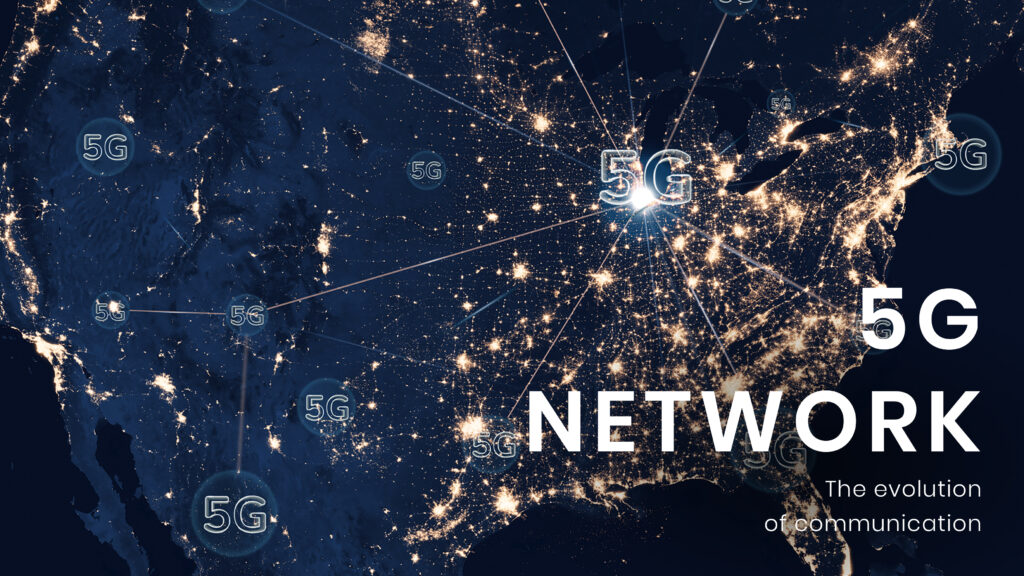
5G home internet uses the same cellular towers as your phone, delivered to a small receiver in your home. When the signal is strong, it rivals cable speeds with no wires to your house and simple self-setup. Performance depends on your distance from the tower and how many neighbors share it, so the same plan can feel blazing on one street and merely fine two blocks away. For renters and anyone who wants to avoid contracts, it is often the easiest path to a solid connection.
Fixed wireless: the rural workhorse
Fixed wireless beams a signal from a nearby tower to an antenna mounted on your roof. It is frequently the best real option in rural and semi-rural areas where fiber and cable never reached. Modern fixed wireless has improved dramatically and comfortably handles streaming, browsing, and video calls for a typical household.
What actually matters when you compare
Speed numbers grab attention, but three quieter factors decide whether you will be happy a year from now. First, upload speed — ignored on most ads, critical for remote work and smart-home devices. Second, latency — the delay before data starts moving, which makes or breaks calls and gaming. Third, the real price after promotional pricing ends, since the headline rate often jumps significantly in month thirteen.
The bottom line
There is no single best internet — only the best fit for your address, your household, and how you actually use it. The smartest move is to compare what is genuinely available at your location against how you use the internet day to day, then choose deliberately instead of defaulting to whatever arrives first in the mail. That clarity is exactly what good guidance should give you: options explained plainly, and a choice that is yours.
Want to know what is actually available at your address? Check availability in your area and we will help you compare your real options — no pressure, no scripts, just straight answers.